Inspired by Bonifacio, this post urges Filipino businesses toward digital independence. It argues that foreign data hosting creates risks (e.g., PhilHealth breach, latency). By keeping data local (data sovereignty), businesses ensure stronger security (Data Privacy Act) and faster performance. CTO Cloud offers the enterprise-grade local solutions needed for Philippine businesses to achieve self-reliance.
Share article


In 1896, Andres Bonifacio ignited the revolution for Philippine independence, fighting for Filipinos to govern their own destiny. More than a century later, that same spirit lives on, this time in the digital realm, where the fight for freedom means taking control of our data and securing our digital future within Philippine borders.
Many Filipino businesses still host their data on servers overseas, in Singapore, the U.S., or Europe. While it may seem efficient, this dependence comes with hidden risks.
When your company's data must travel thousands of kilometers to process a transaction or load a page, latency increases, costs rise, and control weakens. Worse, that data often falls under foreign jurisdiction, exposing your business to privacy issues and global outages outside your control.
In late October 2023, the Philippine Health Insurance Corporation (PhilHealth) suffered a ransomware attack that exposed the data of more than 42 million Filipinos. Incidents like this highlight a critical issue: many Philippine businesses rely heavily on foreign cloud vendors such as Huawei, Alibaba, AWS (Amazon Web Services), DigitalOcean, and Microsoft Azure.
This overreliance can lead to slower performance, compliance risks, and greater vulnerability to cyberattacks, all of which can erode customer trust and undermine business reliability.
Data sovereignty means your digital information is protected by the laws of the country where it's stored. For Filipino businesses, that means your customers' data, from payments to analytics, should remain under Philippine governance, safeguarded by the Data Privacy Act of 2012 and DICT data residency guidelines.
Keeping your data within Philippine borders ensures:
In short, data that stays home stays protected, forming the foundation for trust, innovation, and resilience in the Philippine digital economy.
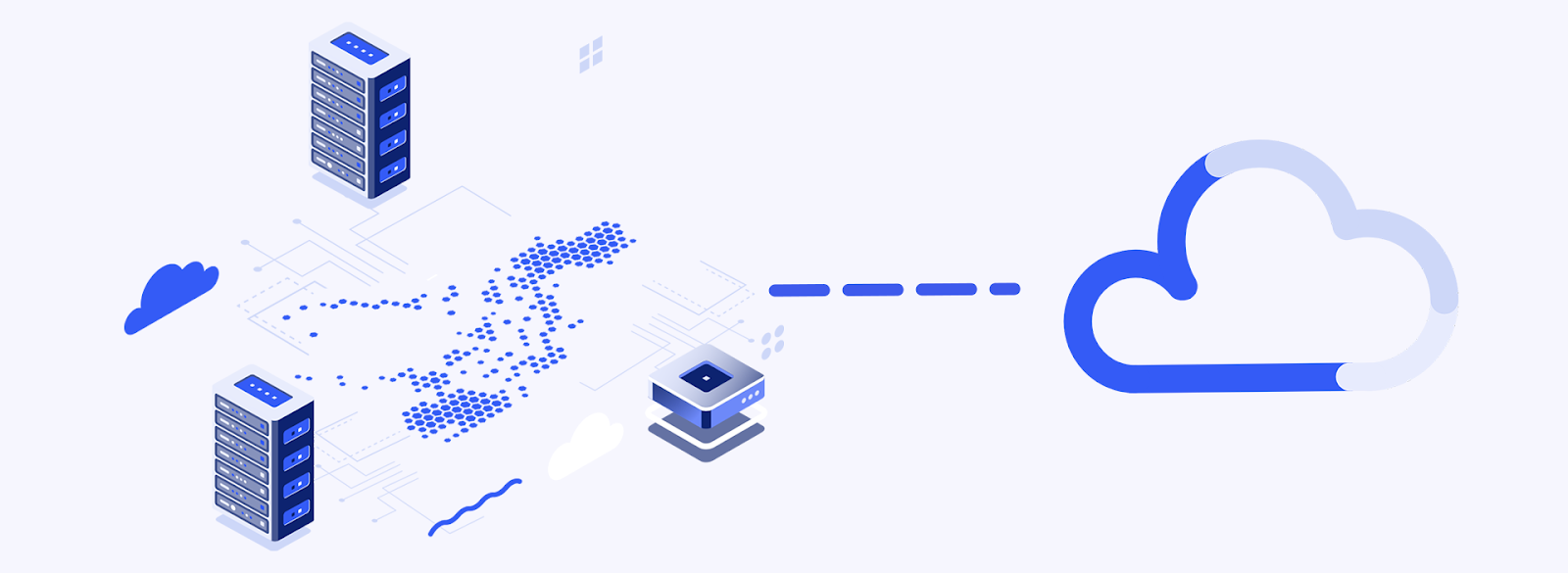
In today's connected world, digital independence is national independence. Every decision to host, process, and protect data locally strengthens the Philippines' ability to innovate, compete globally, and maintain digital sovereignty.
As we celebrate Bonifacio Day, CTO Cloud calls on Filipino businesses to honor the Katipunero spirit, to stand up for digital self-reliance, and keep the lifeblood of our economy, our data, within our borders.
CTO Cloud continues to champion local innovation through enterprise-grade hosting, backup, and disaster recovery solutions built for Philippine conditions.
Because independence doesn't just belong in history books; It lives in every byte, every server, and every Filipino business that chooses to stay local, trusted, and future-ready.
Visit cto.com.ph to learn how CTO Cloud helps your organization stay secure, sovereign, and proudly Filipino Cloud.